Rating: 3/5 210 pages, 1965
Showing posts with label Nature. Show all posts
Jan 19, 2021
The Gift of the Deer
by Helen Hoover
This is a nice little book about whitetail deer in northern Minnesota. The author and her husband lived in a remote cabin in the woods. They habitually put out food for the birds and squirrels in winter and one particularly hard year, a starving deer showed up. They helped the buck survive- cutting cedar branches for it to eat (recognizing that corn would be too rich and a shock on its system). They named the deer Peter and he became very accustomed to hanging around their cabin, even stamping on the porch to demand food if it wasn't set out yet. Before long other deer joined Peter in their yard, and then the Hoovers watched fawns appear with the doe they named Mama and grow up, several years in a row. The narrative describes the woods and other widlife- birds, squirrels, a bobcat and lynx that seemed to be companions, a moose that trampled their garden, a groundhog that ate cookies from their hands. A young bear that they were troubled to see tourists feeding (yet they had no qualms about feeding the deer and other wildlife themselves). Mostly though it's about the deer, and the social interactions they observed which was really interesting- especially as I was able to connect some details with information I'd learned in Heart and Blood just prior. Sadly and not surprisingly, it turns out that the deer, now being partially tame, were more vulnerable to hunters who showed up even though it was private land with posted signs. In the end I think they regretting having fed the deer so regularly, and were relieved to see the animals grow more wary of people following the hunting season. The author has published several books with titles including A Place in the Woods and The Years of the Forest, which I'll probably pick up if I come across them someday.
Jan 14, 2021
Heart and Blood
Living with Deer in America
by Richard Nelson
Marvelous book. It looks at all sides of the relationships deer and people have in this country. The author is a hunter himself but holds great respect for the animals and their environment, which you can palpably feel in his personal descriptions. The opening and closing chapters detail time he spent in the woods with his border collie dog- whom he depends on for alerting him to the proximity of wildlife with her keen senses. He follows deer but also has a close encounter with a marten (riveting scene) and is tailed by a brown bear, and in the final pages tells of witnessing a doe actually giving birth. It's incredible. All the other chapters tell about deer, both from his research and personal experiences as he crosses the country witnessing how people live alongside or utilize the cervids. There is a chapter that tells of the evolutionary history of deer (more in brief than Whitetail Tracks) another that explains the difference between North America's three deer species, their physiology and way of life. Most of the book is about deer / human interactions, with far greater depth and understanding than I once gleaned from Nature Wars.
Nelson visits many areas in turn: first an island in Alaska where deer are being studied, and discusses the impacts of various types of studies in general- including whether or not their means are considered humane. (Some studies have deliberately allowed deer to starve, others subject wild deer to a lot of stress). He visits an island off the California coast, and another near New York, where deer populations have far outgrown the space, looking at the various methods used to attempt controlling population numbers and why they don't work. He goes to an area of Texas that has a very healthy deer population, where the wildlife live alongside cattle on ranches (they eat different plant types) and then are thinned each year by hunters who pay for access- and it's very specifically managed.. He accompanies several Wisconsin hunters on public lands, where the control is slightly different, and contrariwise, also goes along with a group of animal rights activists in a different part of Wisconsin, whose aim is to interrupt the hunters (very civilly done, I might add). The varied hunts include stalking deer through the forest on foot, sitting in tree platforms near open areas where deer might visit, and walking with a group of men on a drive across fields and hillsides. Finally, he visits farmland in southern Wisconsin, where deer are also hunted- in this case mostly to protect the crops. Which is a very serious thing- it sounds like not a single crop grown could be brought to reasonable harvest if deer are not fenced out (which is often impractical) or shot.
Overall I felt like this was a really well-rounded look at the deer situation, one approached with admiration for the animal, honest friendliness towards various types of people the author visited and interviewed, willingness to try and understand other points of view, interpretation of the science for laypeople like myself, and finally, a love for the beauty of the land and wildlife. I was struck by how time and time again, occasions were reported where deer that were troublesome in suburban areas were relocated in attempts to control their numbers- and what a failure that is. Some die of shock during handling, and most or all of the rest die within the first year of being moved. And it's expensive. Birth control for deer doesn't work, which is explained. Natural predators are for the most part missing, so it leaves human hunters to keep the population in check. Otherwise the deer destroy habitat leaving it unfit for other animals as well. Oh, and there's a chapter about forest growth, and how monocultures of trees replanted after logging usually don't support deer or other wildlife and why. The author himself personally witnessed the state of deer starving in winter in an overpopulated area; it sounds like the misery and suffering of the emaciated animals deeply affected him. He not-so-subtly hints that he disagrees with the animal rights people who assert that starvation is nature's way of handling the problem, opining that a hunter's precise mark which ends their lives quickly and gives them purpose as someone's dinner (for a family, it can supply a year's worth of protein) is a far more humane option.
I found that many of his sentiments closely harmonized what I read recently in Braiding Sweetgrass. In particular I marked a few quotes:
Organisms we buy in stores and array on the table are our makers, the creators and nurturers of our bodies, until eventually we die and nourish other organisms in turn. As a society, we could benefit enormously by finding ways to remember, acknowledge, and celebrate this process, to accept with gratitude and respect the plants and animals who keep us alive, who weave us into the living tapestry of earth.A true ecological wisdom, it seemed to me, is one that keeps people and land together in the business of producing food while they develop a more balanced and sustainable relationship with the natural environment.
This is one of those books I lingered over, then read through the pages of references in the back, to add more to my never-ending, always-growing TBR. Including now several other titles by the author which look just as good.
Rating: 4/5 390 pages, 1997
Jan 7, 2021
Braiding Sweetgrass
Indigenous Wisdom, Scientific Knowledge and the Teachings of Plants
by Robin Wall Kimmerer
My father gave this book to me, I am grateful.
The author of this beautiful book has Native American roots, and scientific training in botany and ecology. She deftly weaves science with knowledge rooted in her indigenous culture, expounding on how if we care for the land and treat nature with respect, the earth will shower us with abundance. How the land itself can teach us, can heal us, can lift us up. That simply leaving nature alone to do its own thing isn't enough, if we work together in harmony with it, respecting other (non-human) lives (non-human), all will thrive. I tend to think our earth is better left alone after all the harm we've done to it; Kimmerer gently encourages me to see otherwise. Even details a study she did with a graduate student to prove that sweetgrass is more prolific when it is regularly harvested, then when left alone. There is so much in this book about native cultures, social ills, and intricate details on plant life I just don't know how to phrase it all. Things about migrating salamanders and the balance of nutrients in a pond. About cedar trees, black ash, and maples known so deeply by the indigenous people who used them well. Strawberries, wild leeks, corn, witch hazel, lichens (most fascinating), blackberries, cattails, pecans, salmon, wild rice . . . The individual and distinctive beauty of raindrops. The cleansing sweep of controlled fire. Personal stories about gardening, harvesting, replanting forests, mothering children, learning the nearly-forgotten language of her people and teaching students to see and feel the land again. Or at least to know it by plant names. Painful stories from of native american history. Wise stories from cultural myths, hopeful stories looking into the future, hopeful to heal the earth together with humankind. I can't name all the things. Others have share their impressions, linked below. Now wanting to read her book Gathering Moss.
Rating: 5/5 390 pages, 2013
More opinions:
Jan 4, 2021
Appalachian Wilderness
the Great Smoky Mountains
Natural and Human History
by Edward Abbey and Eliot Porter
I liked this book, but was initially confused about it. The photographer's name (Porter) is the only one on the spine and prominent on the cover, so naturally I assumed most of the text was by him- especially as some excerpts noted to be by Edward Abbey are in italics at the ends of pages indicating they pair with photos on the following spread. It wasn't until I was nearly halfway through that I realized the words I read echoed sentiments of Edward Abbey I'd read in The Journey Home. So then I thought well, this chapter at least must be by Abbey- however it wasn't distinguished from any other chapter as to the author. Not until I was looking at details of the book on LibraryThing did I at last realize that all the main text is Edward Abbey, and Elliot Porter the photographer. There are also many quotes in here by Ivan Turgenev, John Hay, Frank Russell and others, plus several poems by E.E. Cummings.
So it is in turns a picturesque description of the region especially the immensely diverse plant life, a rant against development (Abbey went on for pages at one point on his stance that only foot traffic- no cars- should be allowed into the Great Smoky Moutains National Park- even though he himself visited there in a vehicle), the history in particular of how Cherokee were forced out of their homes, the way hillside farmers make a living and their distinctive local culture and pride- and how it's been degraded by strip mining which ruins the land. Maybe it sounds a jumble but really it is very well presented together and my mind moved seamlessly from one aspect to the next. The photographs are beautiful (if a bit aged in appearance after all this book as an object is almost fifty years old) featuring waterfalls, brilliant fall leaves and bright forest floor wildflowers from the region.
I read this book as an interlude during Braiding Sweetgrass by Robin Wall Kimmerer. That one is very much about how native american mindset and living is in close partnership with the land- and there's a chapter where the author takes a group of students to survey plant biomes in a patch of the Great Smoky Moutains- and I remembered I had this Appalachian Wilderness on a shelf somewhere, and wanted to see the pictures. It was a perfect pairing.
Rating: 3/5 118 pages, 1973
Dec 26, 2020
The Hopes of Snakes
and Other Tales from the Urban Landscape
by Lisa Couturier
I can't quite put my finger on why this book fell flat for me. It's a collection of essays describing the landscape and encounters with wildlife the author had when living in New York City and the area surrounding Washington, DC. Some of the encounters are brief- just a glimpse of a coyote- others are more personal- helping a researcher find and catch snakes in a field, following crows to locate their roosting site. Interspersed with quotes that felt meaningful (and I recognized many of them) but were a bit too frequent- I would have rather heard more of the author's own words. Also interspersed with details or asides about her personal life- including what felt like a disconnect with religion while being surrounded by religious people- but just a glimpse of this, never felt connected enough. It always loops around again to the animal the chapter is about, but sometimes in such a skipping, circling manner I didn't feel it strongly. She describes a longing to know wild animals better, to know more details about their lives- and shares what she's learned from reading (I was interested in the insights about coyotes. For example- I always thought they rebounded from intense "predator control" by having larger litters but this book tells me it's also because if a dominant pair is removed from an area, all the younger coyotes are suddenly free to breed, no longer held in check by their social hierarchy). This book is full of the type of material I usually enjoy- personal encounters with wildlife and interesting facts about them- but the analogies didn't speak to me, the descriptive language often felt too flowery, the wanderings asides left me feeling lost. I shut it at the end feeling disappointed. Maybe it's just that this author's writing style is not to my taste.
In case it is of interest, the animals featured in this book include mice, red-tailed hawks, crows, snakes, coyotes, peregrine falcons, canada geese, vultures, a barn owl, gorillas (in a zoo), ants, pigeons, cockroaches, toads, bald eagles, foxes and deer. I just wish I had liked it more.
Rating: 2/5 160 pages, 2005
Dec 23, 2020
Tarka the Otter
by Henry Williamson
This is a book I put on my TBR over a decade ago- probably before I even started blogging. Now I also want to read the author's book Salar the Salmon, though it's also out of print so that will be happenchance. And whatever else of his I might come across.
It's the life of a river otter, though the animal does spend some time on the edge of the sea as well. It's mostly the otter's rovings, endlessly going up and down waterways, chasing fish with delight and wondrous dexterity, fiercely driving others off his food one moment, playing with them the next. It depicts the otters as very gregarious and friendly to their own kind, while driven off and hunted with dogs by men (the fishermen view them as competition and vermin). Very specific to a place- around the Taw river in North Devon. Detailed descriptions of the animal life, plants, weather, lay of the land etc- and specific local dialect when the otter encounters man. I liked this as it gives a real sense of place, but had to refer to the glossary a few times, which oddly isn't in alphabetical order but it's not long so easy enough to find a word. I didn't know before how avidly otters were once hunted with dogs and guns. From the wild animal's perspective it sounds terrifying, to be harassed by the hounds even to death- which is how this otter finally meets his end. Not without pulling a dog down with him. I think what stands out most vividly to me through this reading was how fluidly the otter moves through the water, using the course of rivers and streams to his advantage.
My edition has an introduction by Fortescue (who was a friend of the author), and an afterward by Williamson which is a very personal account of the circumstances surrounding his writing of the book- including how ill his wife and baby son were at the time. It's also got a curious feature I only noticed halfway through- each page has a word at the top not a chapter title but naming a place the otter was on that particular page. It's distinctive on every page, never saw that before. Also I really liked the illustrations by Barry Driscoll, and the heavy inky smell of the pages- as if my copy, in spite of being so old, had never been opened and read before. I fanned and smelt the pages way more often than I usually do in reading (which is probably at least once per book haha).
One to treasure. It's very like String Lug the Fox or Argen the Gull in tone.
Rating: 4/5 265 pages, 1927
Dec 19, 2020
The Ancestor's Tale
A Pilgrimage to the Dawn of Evolution
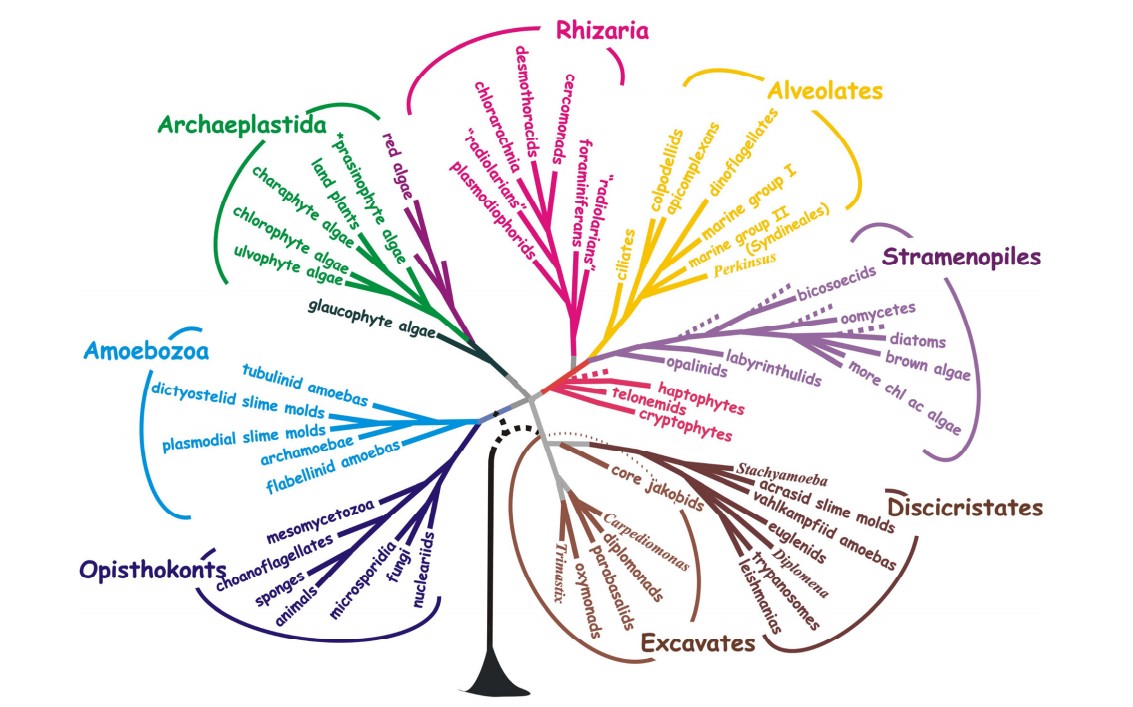
I don't think anything I write can do this book justice. It's staggering in scope, dense with details, mind-expanding and yet surprisingly readable. The premise bases a look at evolution loosely on The Canterbury Tales- the idea being that we time-travel skipping backwards to points where can meet up with common ancestors (the first is shared with chimpanzees) then on down through the ages meeting up with common ancestors of other primates, smaller mammals, fishes, etc etc on down to the one-celled organisms that arose at the dawn of time (and so many of them are still here on earth with us). Calling each chapter something like "The Peacock's Tale" or "The Rotifer's Tale" was a bit of a stretch- these weren't narrative tellings of anything, but very brief descriptions of the varied life forms and then lessons on what they can teach us about how we are all related. About gene transfer and how enzymes build proteins, about divergence and likewise convergence of species, about drifting and inheritance and molecular biology and tons more. I admit I did not understand it all, there were plenty of sections I had to read twice, but I didn't skip anything. Some of the stuff about molecular clocks and the math and chemistry when you get the end chapters about one-celled organisms that existed before plants converted solar energy into what others could consume- well it felt over my head. But there was so much that made me go wow, or sit and think hard, or feel just boggled by the huge swarms of life that we can't even see- like this diagram that shows how all life is related via molecular comparisons? it's got about eight branching groups each with five to eight branches in there- the others are all things like algae, slime moulds, amoebas, fungi and things I don't even know- radiolarians and pelobionts and so on. Plants are one tiny branch. Animals are another- and we are such a tiny fragment of that it's not even visible on the diagram! It is mind-numbing the way that Watchers at the Pond is. One main idea stated here was that we are more closely related- at the molecular level- to some bacteria, than those bacteria are to other bacteria. That's how huge and varied the expanse of life really is.
by Richard Dawkins
with Yan Wong
Some things of wonder in this book: this "brain map" that shows parts of the body in size difference according to how much of the brain is devoted to sensory input from and control of them. On the star-nosed mole biggest are the nose tentacles and then the digging paws. On humans, it's the hands, and only slightly less the facial features especially the mouth (for speaking). Ever wonder why a tiny injury on your hand can hurt so much? well they're so dang sensitive and your brain has so much invested in their control and dexterity. So many things I looked up more about: the bdelloid rotifers which have been reproducing asexually- apparently there are no males- for 40 million years. The trichoplax, a tiny organism only a few cells thick that reveals a lot about early life, and I never knew it existed. The tooth-billed pigeon otherwise known as the little dodo- because it's the only living relative of the dodo and is on the verge of disappearing now, too. The microorganisms that live in termite guts- without them, the termites could not digest cellulose. To those microbes, the termite is the whole world. Who is serving whom in that regard. I thought of all the little things living in my own gut. I thought much more closely about viruses and bacteria near the end of this book.
It was hard to wade through some of the later chapters about the tiny microscopic life forms, simply because all the terminology about them is unfamiliar to me. But I was wowed by the next-to-the-last chapter. I really liked the explanation comparing the spread of fire, to how reproduction can happen without heredity and why that's significant. Also the description of what the atmosphere and basic components on earth were like before oxygen really existed. There were other things that, when a scientist put them all in a vat and left it sitting for a few weeks, turned into a "soup" of biological compounds- which with the right catalyst could spring into life. My husband tells me he's read of an experiment where basic elements were put together and a living cell was made, unlike any other living cell that's existed before. I had no idea. Look up synthetic biology.
And here's another big picture idea- Dawkins tells how many times evolution has come up with specific things- eyes for example, or the power of flight. Very few things have happened only once (there's one bacteria that created a wheel!) So he posits that if most of life were wiped out, it would eventually all arise again- because the basic pieces would still be here- and just like the dinosaurs had all kinds of animals that filled all the niches- some that ate plants others that ate the grazers, some that climbed or flew or ate insects or used sonar in the ocean- the mammals spread to fill them after the dinosaurs were gone. On isolated islands like Madagascar or the continent of Australia, a slightly different form evolved to fill all the niches (think the marsupials). If an asteroid nearly wiped out all life, it would rise again and proliferate into all the diverse forms- maybe not with humans in it, but eventually with something pretty darn close. It's a lot to think about. I will say, I don't feel as much dread of us ending everything with our destructive ways- LIFE will recover again, we just wouldn't be here to see it! ha. And I'm also not quite so leery about GMO's either, if the commonality of genes between all living things like Dawkins outlines in here, is what I understood from it. We are all interrelated, much closer than you'd imagine.
No way is this even a fraction of what I gleaned from this book. I borrowed a copy to read from my brother in-law, but I'd sure like to have this in my own library someday. Maybe the newer edition, which I gather has a few updated chapters.
Rating: 4/5 671 pages, 2004
Dec 8, 2020
Argen the Gull
by Franklin Russell
There is not a single word of dialog in this book. Yet it is overwhelmingly full of sound- the birds scream, gurgle, choke, mutter and mew at each other. They communicate even more strongly with gestures- stretching tall to threaten, hunching down submissively, flattening their feathers in fear. Frequently launching outright attacks with stabbing beaks and flailing wings. Especially the protagonist, a herring gull named Argen who lives mostly around an estuary on the edge of an unnamed ocean. After his short period as a nestling dependent on his parents, and a few years spent exploring the area while learning how to find various food sources, he asserted himself against the other gulls with such an aggressive drive to gain food and live, that he was often described as being full of rage against the other birds. This story is not at all a pretty picture of nature. The gulls are scavengers and hunters- they squabble and steal from each other, smash shellfish, grab herring and smelt from the sea, pull apart carcasses found on shore (the aftermath of storms was a time of plenty for a seagull) and even pillage eggs and hatchlings from rookeries- including their own- in times of hunger. Any opportunity was taken.
I thought the narrative- all from the viewpoint of one gull as he grows, learns from experience and observation driven by instinct, and makes his way through the world- would have a lot about raising the young, that his strong demeanor would soften when he fed his own chicks- but actually that's just a brief thing- it describes the urge he feels to find a mate, return to the offshore island when they breed, and the ceaseless to-and-fro bringing food to the offspring, but not any tender feelings for them. Well, I should have expected that by the time I got so far. Not all his breeding years are successful- sometimes other birds kill his young, or the weather is too cold, and once there is a famine. But there are many good years, and with three different partners he has through his long life, Argen raises many young gulls successfully.
Overwhelmingly through this book is the power and sensation of the elements, the huge forces that sweep across the shores- changes in weather and currents that affect all the living things in a cascading effect. The swarms of other seabirds, fishes, shrimps and myriad tiny things in the surf and across the sand wax and wane. Argen witnesses a whale being killed by ocras one time, sees ducks dragged down by seals, evades hawks, eagles and falcons, and one year survives an injury to his wing that sends him creeping through the marsh to hide- a strange environment for him. I honestly though at some point I was going to start finding this account a bit tiresome- but at the end of each chapter I would turn another page and keep on reading- wrapped into the tides, the pushing winds, the blinding sun rising over the edge of the winking water. It's pretty incredible how well the author conveys the powerful forces of nature, with the life of one relatively small but definitely fierce creature thriving in it- until finally he reaches old age (for a bird) and time stretches differently, things that once filled him with passion simply don't anymore, and things wind to an end. It was very moving.
Rating: 4/5 240 pages, 1964
Nov 20, 2020
Walden and Other Writings
by Henry David Thoreau
I finally read this, after two previous attempts (years ago) and a break in the middle for something easier. My copy contains not only Walden: or Life in the Woods but also Civil Disobedience, Slavery in Massachusetts, A Plea for Captain John Brown and Life Without Principle.
Here's the thing: this is not at all what I expected. I always thought it was some wonderful if slightly archaic nature writing full of observations on the weather, birds and creatures, growing things etc. Not really. It's a lot more about politics (as they were back then), protests on slavery, umbrage at modern developments ruining mankind (there's pages and pages about how the train makes people hurry and rush about), how government should or should not affect our lives, why people should be engaged in something useful and soul-lifting instead of just working to earn money, etc. He criticizes his fellow man a lot. He does mention a few birds here and there, how peaceful it is to just sit under the trees, how much he appreciates the simple life. But he wasn't far off in the woods in isolation. Tons of people visited him all the time it sounds like, really curious what he was doing out there by himself. The train ran very close to his cabin, the pond was a regular fishing spot for many, farmers and kids out picking berries walked close by, and he could hear cattle in the adjacent fields. It was walking distance to the village. He eschewed coffee and other so-called luxuries to live pretty much just off what he grew or gathered (I think): mainly his beans, and fish he caught. I thought there I would relate, there's a whole chapter about cutivating the bean plants and I'm a gardener too, but nope. It starts out about hoeing the beans and how nicely meditative that task can be, but soon unravels into other lofty topics that supposedly relate to what bean plants with their nice broad leaves made him think of but I can't make head or tails out of it.
That was my main problem. Thoreau is very much a philosopher and it either makes my mind wander, or go in circles, or I have to read a passage three, four, five times in a row and I still don't get what he was saying. So many pages of this book I was actually thinking about something else as the printed words marched through my head unheeded (so now I know how a fellow book-blogger could sing while she reads, which I didn't comprehend before). The parts I liked? where Thoreau describes in detail the ice on the pond, the air bubbles into it, the way it forms and later on breaks up in the springtime, the industry of hired people who come to cut blocks of it, harvesting for use in summer- people had ice-boxes back then, not fridges and freezers, so this was interesting to read how that was done and how it was stored to prevent melting. How mud makes weird shapes during the spring thaw (but again he turned this into some lyrical comparison I did not get). The voices of owls, a mouse that got used to his presence, the geese he observed on the pond and fish under the clear water. I liked reading how he undertook to plumb and measure the pond's depth, as people in the vicinity claimed it was bottomless, but nobody had ever really tried find out. I liked a lot of his sentiments and agreed with many of his opinions on what's valuable in life etc, but it sure was tough to wade through all the words. Philosopy and political rants are really not my thing.
Note on below: this is obviously one of those great books which I personally have difficulty appreciating. I didn't exactly enjoy reading it, though I do feel enriched by it. It was pretty hard to get through. If it had been easier and more enjoyable, definitely would have given it a 4. The publication dates noted span the five works in this volume.
Rating: 3/5 368 pages, 1849-1863
Sep 25, 2020
Summer World
by Bernd Heinrich
I've been wanting to read this one a long time, ever since I read Winter World by the same author. Somehow, it wasn't quite as good, but still very satisfying. Based mostly on first-hand observations made on his property in the Maine woods (and sometimes in Vermont), he goes into minute detail about how trees and wildlife prepare for and make the best of the warm summer months. The wildlife part really only covers small creatures- birds, frogs and insects- but of those I learned a great deal. Particularly the insects. There were many mentioned in this book that I never even heard of before, much less knew the particulars of how they live. Lovely details on just watching closely what is going on around us in the plant and animal world, and investigating when questions arise: why does this do this? or that the other? (although an answer is not always arrived at or given). Interesting observations on the raids of ants and laments about the loss of bees. In particular a few sentences at the very end of the book filled me with a sense of dread and fear- how warmer winters lately are killing off populations of insects that are the very basis of the food chain- and not in ways I would have expected. Not in ways that are easily overcome or undone, either. I was surprised (although I shouldn't be) at how the book digressed in a few places- there's a chapter that talks about how animals survive the desert heat in other places, and one speculating on the lives of prehistoric humans. I could see how parts of this book got developed later into the full-fledged Why We Run and Life Everlasting, but it made the latter half of Summer World feel a tad unfocused.
Also, this little detail keeps bugging me, although it has nothing to do with the book itself, really. In the front endpapers, there's the usual collection of quotes praising the book. One by an unnamed writer in the Los Angeles Times says "Bernd Heinrich is one of our greatest living naturalists in the tradition of Gerald Durrell; he's John Muir (without the wandering), Edward Abbey (without the politics), Jacques Cousteau (without the ocean), Ernest Seton (without the talking animals) . . . " This guy got his comparisons wrong. I've read fourteen books by Seton, and there are no talking animals! They show emotions, and the storytelling is lively, but they definitely don't talk.
Rating: 4/5 253 pages, 2009
Aug 27, 2020
Castaway
by Lucy Irvine
Fine adventure story, if a bit odd at times. In 1981 this guy who literally wanted to live like Robinson Crusoe, advertised for a woman to accompany him for a year on an uninhabited island. Lucy Irvine answered his query and went with him to Tuin Island, which is near Thursday Island (I'd heard of that one) which is between Australia and Papua New Guinea. It sounds kind of crazy- they didn't know each other, and after a week of being together didn't even like each other (and notably had very different reasons for going to the island)- but had to officially get married or the Australian government wouldn't let them live on the island. They started out with meager supplies, knowing it was going to run out but planning to subsist on local fruit, coconuts, fish from the sea, and vegetables they would grow. It was far from easy. In fact, a lot of the time it was downright miserable. They soon suffered from heat exhaustion, tropical ulcers and malnutrition. Fresh water in the creek soon ran dangerously low. It's doubtful they would have survived the year except some people passing by in a boat spotted them on the beach and offered them some supplies. Not long after they were getting regular visits from Badu Islanders (in the Torres Strait). Eventually they visited Badu Island as Lucy's companion became known to the locals for his skill at fixing engines. His work was soon in demand, and they were able to trade the service for rice, flour and other goods- which changed the dynamics of survival mode on the island. It's interesting how their relationship also changed once he got treatment for the sores on his legs, recovered his energy (having been laid up much of the first part of the year), and made an occupation for himself repairing things. A lot of the book is Lucy writing vivid descriptions of the island's beauty and how deeply it affected her- she loved that island. It's also a lot about the friction in their relationship, and of course the survival skills they employed, how they simply adjusted and got used to doing without many things, and acted with ingenuity to overcome other hardships or lack. Pretty interesting the description of the local islander's lifestyle and personalities as well, once Lucy deigned to leave the Tuin and visit Badu- she refused for a long time, wanting to stick to her commitment to stay on the island for an entire year. I would really like to read the book her companion wrote about the same venture- The Islander by Gerald Kingsland (the whole time she only refers to him as G). Forewarning: this book has a lot of profanity, and Gerald addresses Lucy with awful words, though apparently meaning nothing ill by it (she took offense plenty of times, though).
Rating: 4/5 288 pages, 1983
Jun 15, 2020
Animal Heroes
by Ernest Thompson Seton
"Arnaux" is about a homing pigeon. The bird lives in a loft that appears to have multiple owners- and the story describes how the pigeons are kept and flown. Different from nowadays (which I only know from reading a general nonfiction book on pigeons). The birds must have excellent navigational skills, endurance and smarts, to make it home again. There's one bit where a pigeon takes a message to get help for a ship stranded at sea, but most of it is about regular homing pigeon races. One bird is less attractive and smaller than the rest, but the fastest racer in the loft. In part of the story this bird gets captured and shut into a different loft on his way home- by a fancier who doesn't intend to actually steal him, but to breed him and then let him go again. He ends up staying in the strange loft for years before escaping and heading straight on home again. But then the pigeon meets a sudden and cruel end. I'm sure Seton just means to show how life is not always kind and fair, but still, you might not want to read this story to a sensitive child. Following this one I read A Pigeon and a Boy.
Fair warning: there are a lot of SPOILERS in this post. I tell what happens because I think many readers would like to know ahead of time that A LOT OF ANIMALS DIE in these tales. Akin to Jack London's writings, there's plenty of fighting and mistreatment. Seton claims that his animal stories are based on fact, however I assume they are embellished with detail. Not quite sure how all the animal protagonists qualify as 'heroes' yet they are compelling stories. I actually started reading this one right after The Triumph of Seeds, but then between each story in this volume, I picked up another book as follows:
"The Slum Cat"- life of an alley cat, with remarkably pretty markings. At first the story is just about the cat's life, how it grows up, daily search for food, avoiding bigger meaner cats, etc. Then the cat starts hanging around what sounds like a disreputable shop that sells pet birds. The seller comes up with an idea to fob off the alley cat as a rare pedigreed import at a local fancy cat show. Everyone is taken in, and the cat gets sold to a wealthy family, who do some remarkable mental gymnastics to excuse every ill-mannered and anti-social behavior the cat exhibits in their nice home. The cat is well-fed and pampered but hates it all and longs to return to its alley. Eventually it escapes and makes its way back home. Story doesn't quite end there, though! After this one I read Maverick Cats.
"Arnaux" is about a homing pigeon. The bird lives in a loft that appears to have multiple owners- and the story describes how the pigeons are kept and flown. Different from nowadays (which I only know from reading a general nonfiction book on pigeons). The birds must have excellent navigational skills, endurance and smarts, to make it home again. There's one bit where a pigeon takes a message to get help for a ship stranded at sea, but most of it is about regular homing pigeon races. One bird is less attractive and smaller than the rest, but the fastest racer in the loft. In part of the story this bird gets captured and shut into a different loft on his way home- by a fancier who doesn't intend to actually steal him, but to breed him and then let him go again. He ends up staying in the strange loft for years before escaping and heading straight on home again. But then the pigeon meets a sudden and cruel end. I'm sure Seton just means to show how life is not always kind and fair, but still, you might not want to read this story to a sensitive child. Following this one I read A Pigeon and a Boy.
"Badlands Billy: the Wolf That Won" is about a large wolf that preys on cattle so hunters are always after him. The first part of the story tells how he grows up as a pup, looses his mother and is raised by another wolf, his foster-siblings die from poisoning so then he gets all the milk and grows larger than most. Looses his foster mother at the hand of man as well but is old enough to fend for himself. Soon gains the attention of men from killing cattle- the second half of the story is mostly from human viewpoint, how they hunt down the wolf with dog packs. In this one the wolf is victor, but still it's unsettling to read how all the dogs are killed by the wolf (the author warns you ahead of time this is coming, in case you want to stop reading!) Not one of my favorites. After this one I read Flight of the White Wolf.
"The Boy and the Lynx"- there's a boy visiting some friends (a young man and his two sisters) who live in a small cabin in northern Canada. Out in the middle of the forest. Kid has gone there to recuperate his health, and is having a fine time until they all get ill. (The description of the fever and chills they suffered reminded me instantly of a scene in Little House on the Prairie). Completely debilitated by the illness, they're all mostly bedridden and start to run out of food. At the same time there's a lynx living nearby, has a den with two kittens. The lynx is near starving because rabbit population has crashed. Lynx starts coming to the cabin to steal chickens, and then gets bolder. The boy has seen the lynx a few times in the forest, but now weak and sick he has a hard time recognizing the fierce animal that comes into the cabin to eat the food off their table at night. There's a final confrontation, and even though it escapes alive, the lynx gets the worst of it in the end. The final scene in this story is very grim, and probably also very realistic. I couldn't stop picturing it. I don't have a book on my shelf specifically about lynx or even a bobcat, so next I read Wild Cats.
"Little Warhorse"- When I first glanced through the table of contents, thought this was about a wild horse. Nope, it's a jackrabbit. One larger, faster, smarter than all the rest. The rabbit has his speed and hiding places and quick maneuvers to evade dogs and coyotes that chase it. But then humans hold a rabbit drive. The whole town gathers to beat the shrubbery and drive all the wild rabbits into a kind of corral. Hundreds are simply slaughtered, but those that catch people's eye are set aside and taken to use in greyhound coursing. Which usually means the dogs kill the rabbits, while people on the sidelines are betting on the dogs. Our jackrabbit excels here, too- outrunning the dogs time and time again, gaining admiration from the crowd who dub him Warhorse. The rabbit man (whose job is to take care of jackrabbits that haven't been used yet) argues that Warhorse has earned his freedom. The dog people all want to pit their greyhounds against him, so they agree on a set number of matches after which if the jackrabbit is still alive, it can be set free. The rabbit gets holes punched in his ears to mark each race won. But then they argue for more races, because other people are now eager to pit their dogs against this rabbit too. Rabbit man gets into a fight over it. So in this one the main animal character survives in the end, but a ton of his fellow rabbits died for sport. The Adventures of Peter Cottontail was my next read.
"Snap: the Story of a Bull-Terrier"- man owns a fierce little bull-terrier dog that is vicious to everyone. It took him a week to earn the dog's trust. He's the only one who can handle it safely, and the dog is always super eager to fight any other dog it meets. Man visits a cattle ranch on business and goes along on some wolf hunts; the ranchers are no longer allowed to poison wolves so track them down to mitigate livestock losses, but their dogs won't actually grapple with the wolf. They have foxhounds to trail the scent, greyhounds to chase, and great danes and wolfhounds to close in the fight- these dogs working together can get coyotes but not the wolf. So the main character brings his bull-terrier along. It is slower than the other dogs (having shorter legs) but once upon the wolf, dives into the fight without hesitation. The men are glad to finally kill a wolf, and admire the bull-terrier's bravery, but the dog takes serious injuries. Sorry to say this is another one where the animal dies. I read a juvenile fiction book called Grip: a Dog Story next and that was a very fit pairing.
"The Winnipeg Wolf" is about a wolf that's taken from its den when its mother and littermates are all killed for bounty. The young wolf is chained up outside a saloon where people amuse themselves by setting their dogs on him and poking him with sticks. A bratty child flees his irate father into the wolf's shelter, and instead of attacking the animal defends him. Soon the boy and the wolf are stout companions, even though the wolf is always tied up. Eventually it gets free, is harrassed by people and chased by dogs, but never caught again. When the kid gets sick and dies from a fever, the lonely wolf hangs around town, never leaving into the wilderness. It continues to hate men and dogs but never will harm children. However the townsmen enjoy pitting their dogs against the wolf, over and over until there's a final fight with a whole scrum of dogs against the one wolf. Guess how it ends. After this one I read The Dog with Yellow Eyes.
"Legend of the White Reindeer"- I don't quite know what to say about this one. It's set in Norway, about a white reindeer which is born in a herd that is annually inspected by men to pick animals out for training to pull sleds. The white reindeer is big and strong (it fought off a wolverine as a yearling, with the help of its mother), so of course attracts attention. It is taken into captivity and trained, but retains its fierceness and will turn on any man that mistreats it. A lot of this story was a jumble to me though- there were so many unfamiliar place names and foreign terms I had trouble following it. At one point there are races, of reindeer and horses respectively, and the white reindeer does so well it is put in a race against the fastest horse. Then there's a lot of doings among men it seems there was a misunderstanding and someone was going to turn traitor- the white reindeer was harnessed to take him carrying a message but instead of going where he was supposed to the reindeer ran off into the wilderness up a steep trail he'd often followed as a young free animal, and they were both lost in a storm, never heard of again. Which was beneficial to the country. I didn't get it.
Well, in spite of all the dismal treatment animals get in these stories, and the brutal fights, nevertheless I found them engaging and lively, with wonderful descriptions. Seton just is a darn good storyteller. Except for the last about the reindeer, they all stuck in my head vividly. Really like the illustrations, too. I think my favorite was probably "Slum Cat."
Rating: 3/5 362 pages, 1901
Feb 12, 2020
The Snow Child
by Eowyn Ivey
Suprised at how much I liked this novel, which is kind of like a modern fairy tale, haunting and grittily real at the same time. Tender and harsh, it is the story of an older couple who make a new start homesteading in Alaska. They have long been childless, and one day playfully make a small figure out of snow. The next morning the snow has been scattered, the scarf and mitten they'd placed on it missing, and a single set of footsteps leading away. Then a thin, strange girl starts to show up near their cabin- flighty and shy yet fierce and wild. She apparently lives alone in the woods. Concerned for her well-being, the couple tries to draw her into their lives, while their friendly neighbors are frankly skeptical of her existence, wondering if the middle-aged wife has symptoms of cabin fever. Years pass with the girl coming and going when the first snow falls, disappearing all summer. Until finally one day the neighbors' son, a young man who's been helping out at the homestead, spies her in the forest and realizes there is some truth to the crazy tales. The story isn't just about this wild mystery child, it's also about their struggle to live in the remote wilderness, the toll it takes on the couple's relationship, and what turns to bring them together again. How they come to depend on the neighbors, and help each other out when times are hard. How the wild animals circle in the dark trees, admired for their beauty or hunted for their pelts and meat, but always with their own secret lives just offstage. It's an intriguing story that I enjoyed very much, in spite of some frustration that there's no clear answer at the end, with a broad streak of sadness through it all.
Rating: 4/5 391 pages, 2012
more opinions:
Page 247
Savidge Reads
You've GOTTA Read This!
Things Mean a Lot
Don't Be Afraid of the Dork
Suprised at how much I liked this novel, which is kind of like a modern fairy tale, haunting and grittily real at the same time. Tender and harsh, it is the story of an older couple who make a new start homesteading in Alaska. They have long been childless, and one day playfully make a small figure out of snow. The next morning the snow has been scattered, the scarf and mitten they'd placed on it missing, and a single set of footsteps leading away. Then a thin, strange girl starts to show up near their cabin- flighty and shy yet fierce and wild. She apparently lives alone in the woods. Concerned for her well-being, the couple tries to draw her into their lives, while their friendly neighbors are frankly skeptical of her existence, wondering if the middle-aged wife has symptoms of cabin fever. Years pass with the girl coming and going when the first snow falls, disappearing all summer. Until finally one day the neighbors' son, a young man who's been helping out at the homestead, spies her in the forest and realizes there is some truth to the crazy tales. The story isn't just about this wild mystery child, it's also about their struggle to live in the remote wilderness, the toll it takes on the couple's relationship, and what turns to bring them together again. How they come to depend on the neighbors, and help each other out when times are hard. How the wild animals circle in the dark trees, admired for their beauty or hunted for their pelts and meat, but always with their own secret lives just offstage. It's an intriguing story that I enjoyed very much, in spite of some frustration that there's no clear answer at the end, with a broad streak of sadness through it all.
Rating: 4/5 391 pages, 2012
more opinions:
Page 247
Savidge Reads
You've GOTTA Read This!
Things Mean a Lot
Don't Be Afraid of the Dork
Jan 10, 2020
Inheritors of the Earth
How Nature is Thriving in an Age of Extinction
by Chris D. Thomas
Much like Nature Wars, this book argues that life overall is doing just fine in spite of the destruction mankind has wreaked on Earth. The author examines several aspects of this problem including humans wiping out other animals and destroying habitats, the impacts of climate change and movement of species into new areas- and in each case makes the point that while a few species here and there will die out in the face of rapid changes, many new ones arise as they diverge or hybridize, which is a wave of future evolution. He states many times over in the book that species diversity is actually increasing worldwide (is this true? several other reviewers have cast doubt on that). He posits that the mixing of species into new territories shouldn't be seen as a threat, but instead welcomed as a way of naturally seeing which animals, plants and other creatures are most fit to survive the future. There's lots of examples of rapid evolution and explanations that animals live nowadays where they never did ages ago, so what we see as being the "natural state" of things is arbitrary. Very similar in this vein to Where Do Camels Belong?
While he does say that we should avoid excessive impacts on the environment he doesn't seem to mourn the extinction of any unique species as long as the group as a whole is represented- loosing the short-tailed bat on New Zealand (which walks on the ground to catch prey) wouldn't matter overall because so many other bats are still here. Even if I didn't always get the argument, I found the examples fascinating- reading about hybridized sparrows, and how they spread from one small location to literally inhabit the entire world. I've heard of the finches Darwin found in the Galapagos, but didn't know about the mockingbirds there- also very different on each island. I never read about the apple fly before- which uses markings on its wings to mimic a spider. I thought that monarch butterflies only wintered in Mexico, but this book tells me there's a group that overwinters in California (so the premise of this book might not be so far-fetched!) That's just a small sampling. I strongly disagree with the author's final argument that since humans are of course, natural living creatures, anything we do to the Earth is also part of the natural process and we should just let things unfold. That really rubs me wrong. But it was an interesting read that did give me a lot to think about.
I mentioned animals mostly in this post, but the book also talks about plant species a lot. While the copy I borrowed from the public library looks like the first cover shown here, I like this second one- because I'm partial to ferns and its lushness conveys the main idea the author had- that life is thriving and will continue regardless of what we do (not sure if agree with that and I'm simplifying here, but it's the main impression I came away with from reading this book).
Rating: 3/5 300 pages, 2017
by Chris D. Thomas
Much like Nature Wars, this book argues that life overall is doing just fine in spite of the destruction mankind has wreaked on Earth. The author examines several aspects of this problem including humans wiping out other animals and destroying habitats, the impacts of climate change and movement of species into new areas- and in each case makes the point that while a few species here and there will die out in the face of rapid changes, many new ones arise as they diverge or hybridize, which is a wave of future evolution. He states many times over in the book that species diversity is actually increasing worldwide (is this true? several other reviewers have cast doubt on that). He posits that the mixing of species into new territories shouldn't be seen as a threat, but instead welcomed as a way of naturally seeing which animals, plants and other creatures are most fit to survive the future. There's lots of examples of rapid evolution and explanations that animals live nowadays where they never did ages ago, so what we see as being the "natural state" of things is arbitrary. Very similar in this vein to Where Do Camels Belong?
While he does say that we should avoid excessive impacts on the environment he doesn't seem to mourn the extinction of any unique species as long as the group as a whole is represented- loosing the short-tailed bat on New Zealand (which walks on the ground to catch prey) wouldn't matter overall because so many other bats are still here. Even if I didn't always get the argument, I found the examples fascinating- reading about hybridized sparrows, and how they spread from one small location to literally inhabit the entire world. I've heard of the finches Darwin found in the Galapagos, but didn't know about the mockingbirds there- also very different on each island. I never read about the apple fly before- which uses markings on its wings to mimic a spider. I thought that monarch butterflies only wintered in Mexico, but this book tells me there's a group that overwinters in California (so the premise of this book might not be so far-fetched!) That's just a small sampling. I strongly disagree with the author's final argument that since humans are of course, natural living creatures, anything we do to the Earth is also part of the natural process and we should just let things unfold. That really rubs me wrong. But it was an interesting read that did give me a lot to think about.
I mentioned animals mostly in this post, but the book also talks about plant species a lot. While the copy I borrowed from the public library looks like the first cover shown here, I like this second one- because I'm partial to ferns and its lushness conveys the main idea the author had- that life is thriving and will continue regardless of what we do (not sure if agree with that and I'm simplifying here, but it's the main impression I came away with from reading this book).
Rating: 3/5 300 pages, 2017
Dec 22, 2019
Cross Creek
by Marjorie Kinnan Rawlings
Even though I categorized it with memoirs, this book is more like a collection of essays or short stories per se; it doesn't really have a plotline or story arc. It's a deep reflection on the time Rawlings spent living on a farm at Cross Creek in central Florida, most of her neighbors being very poor and the majority of them black. It's very much about place, local culture and backwoods Florida cuisine- in fact there's an entire lengthy chapter just about food- I didn't know Rawlings was so ambitious in the kitchen (and proud of it!) I have a mind to grow okra once more just to fix it the way she describes.
Her writing is lovely, and of course I especially liked the parts about the weather and changing seasons, the local wildlife and flora. She describes keeping a garden, tending to fruit trees, going river boating or hunting with friends- and often as not she was glad to miss her shot, admiring the beauty of the animals instead- even though she also liked cooking up squirrels and quail and one time as an experiment shot a bunch of red-winged blackbirds and made a pie (before she knew they were a protected species). She describes the keeping of animals- her milk cow and an old mule, a succession of dogs; and dealing with the neighbors' cattle, half-wild hogs and hounds that roam onto the property at will. Most of all though, the book is about people, her hard-working poverty stricken neighbors and the various people she hires to take care of her house or work in her orange grove. Her attitude towards the black servants is sometimes deplorable- you can tell she tried hard to be kindly, often gave gifts and assistance to those around her, sent for the doctor when needed, etc. But the words she uses to describe them are offensive, and one incident in particular when her visiting brother became angry seeing how her home had been neglected by the servants when she was away and accosted them in the middle of the night- well, that really made me cringe. I also didn't like reading how she and a companion treated a sea turtle they encountered on the beach- although they were conscientious enough to leave half the clutch behind when taking turtle eggs to eat.
Aside from many colorful characters and interesting stories about the author's dealings with them, there's plenty about the raccoons and alligators, the deer and wild birds as well. I particularly admired how the author dealt with snakes- she wrote a whole chapter about snakes and deliberately went on a rattlesnake hunt with someone in order to make herself get over her fear of them. Many times she had to dispatch dangerous snakes found in the house; one time she cornered a snake and hit it first with a thick catalog and then with her own copy of The Yearling!
In spite of the discomfort some things in this book give me, it's one I'm definitely keeping on my shelf to read again. It inspires me to look for more of her fiction, especially after reading about some of the real-life incidents and people who inspired her to write. Somewhat similar in tone to Out of Africa.
Rating: 3/5 368 pages, 1942
Even though I categorized it with memoirs, this book is more like a collection of essays or short stories per se; it doesn't really have a plotline or story arc. It's a deep reflection on the time Rawlings spent living on a farm at Cross Creek in central Florida, most of her neighbors being very poor and the majority of them black. It's very much about place, local culture and backwoods Florida cuisine- in fact there's an entire lengthy chapter just about food- I didn't know Rawlings was so ambitious in the kitchen (and proud of it!) I have a mind to grow okra once more just to fix it the way she describes.
Her writing is lovely, and of course I especially liked the parts about the weather and changing seasons, the local wildlife and flora. She describes keeping a garden, tending to fruit trees, going river boating or hunting with friends- and often as not she was glad to miss her shot, admiring the beauty of the animals instead- even though she also liked cooking up squirrels and quail and one time as an experiment shot a bunch of red-winged blackbirds and made a pie (before she knew they were a protected species). She describes the keeping of animals- her milk cow and an old mule, a succession of dogs; and dealing with the neighbors' cattle, half-wild hogs and hounds that roam onto the property at will. Most of all though, the book is about people, her hard-working poverty stricken neighbors and the various people she hires to take care of her house or work in her orange grove. Her attitude towards the black servants is sometimes deplorable- you can tell she tried hard to be kindly, often gave gifts and assistance to those around her, sent for the doctor when needed, etc. But the words she uses to describe them are offensive, and one incident in particular when her visiting brother became angry seeing how her home had been neglected by the servants when she was away and accosted them in the middle of the night- well, that really made me cringe. I also didn't like reading how she and a companion treated a sea turtle they encountered on the beach- although they were conscientious enough to leave half the clutch behind when taking turtle eggs to eat.
Aside from many colorful characters and interesting stories about the author's dealings with them, there's plenty about the raccoons and alligators, the deer and wild birds as well. I particularly admired how the author dealt with snakes- she wrote a whole chapter about snakes and deliberately went on a rattlesnake hunt with someone in order to make herself get over her fear of them. Many times she had to dispatch dangerous snakes found in the house; one time she cornered a snake and hit it first with a thick catalog and then with her own copy of The Yearling!
In spite of the discomfort some things in this book give me, it's one I'm definitely keeping on my shelf to read again. It inspires me to look for more of her fiction, especially after reading about some of the real-life incidents and people who inspired her to write. Somewhat similar in tone to Out of Africa.
Rating: 3/5 368 pages, 1942
Dec 18, 2019
Where the Crawdads Sing
by Delia Owens
Kya is known as the Marsh Girl. Abandoned by her dysfunctional family in a shack by the water on the North Carolina coastline, she pretty much lives alone after her drunken father never returns one day. She survives digging mussels and catching fish, gathering eggs from the small flock her mother left behind and tending a scanty garden. Wanders the wetlands and communes with nature. Truant officer tries to make her attend school but she adroitly evades people in the marsh. One compassionate black family- very poor themselves- takes pity on her and pays her for the meager catch she offers to sell or exchange for gas (for the boat), gives her clothing and a few supplies. So she does get a little help from the community, but otherwise is very isolated. Most of the townspeople mock or shun her when she does venture into town. Then a boy Tate she occasionally ran into while boating as kids, starts to visit more often as a teenager and teaches her to read. Starts to open up her world- and her heart- until he leaves suddenly for college. Kya is of course hurt at feeling abandoned all over again, but also aches for companionship now- so when she catches the eye of a popular guy in town, lets herself get drawn into a different kind of relationship . . . Years later- this part told in alternating chapters- the popular guy Chase, is found dead under a fire tower in the marsh. Kya becomes the primary suspect for his murder. The final chapters wind up with a courtroom drama- not my favorite kind of story but those scenes weren't as dull to read as I expected.
I liked most of this book- especially the nature writing and Kya's connection with the marsh wildlife- but I also had some issues with it that spoiled my enjoyment. Some aspects of the story just did not make a lot of sense or felt unrealistic. I couldn't believe how fast she learned how to read, and how easily she lost her lowcountry accent. For all of Kya's isolation, she picked up complex skills and cultural expressions very quickly. (Reminded me of how Ayla in Clan of the Cave Bear turned out to be this kind of super woman- teaching herself so many difficult skills while living completely alone). I could have just gone along with that, but there was a point in the middle of the story where she had an argument with Tate during a brief visit he made after college. Things she said in that argument, words thrown in Tate's face- didn't sound like the kind of things an isolated, wild, self-taught girl would say. Having never even attended school, having never dated anyone else, having no social context outside of selling mussels and occasionally going to the small convenience store, what would she know about relationships and breakups? From reading a few romance novels? Also after being deserted by her mother and all her older siblings when she was less than ten years old, I would have expected her to have a lot more difficulty confronting or recognizing her own emotions about things. A lot of the conversations she had with the few people close to her, later in the book, looking back on what happened in her early childhood seemed awfully simplistic, and too insightful and levelheaded for someone who had gone through that kind of early trauma. It just didn't feel real. A lot of the dialog likewise felt awkward to me and the romantic parts of the story trite. Which ended up making it overall a dissatisfying read.
This book actually reminded me a lot of Girl of the Limberlost- it has a similar basic premise- wild girl who spends time alone in nature, becomes something of an expert on local fauna, falls in love with a man later on who is intrigued by her innocence and differences. But I also thought a lot of Lady on the Beach- there's a story about a woman living in poverty on the edge of the water, surviving partly off the land- and it's far more realistic about the miseries and struggle that come along with that.
Rating: 3/5 370 pages, 2018
more opinions:
Book Chase
Bibliophile by the Sea
Bookalicious Babe
Kya is known as the Marsh Girl. Abandoned by her dysfunctional family in a shack by the water on the North Carolina coastline, she pretty much lives alone after her drunken father never returns one day. She survives digging mussels and catching fish, gathering eggs from the small flock her mother left behind and tending a scanty garden. Wanders the wetlands and communes with nature. Truant officer tries to make her attend school but she adroitly evades people in the marsh. One compassionate black family- very poor themselves- takes pity on her and pays her for the meager catch she offers to sell or exchange for gas (for the boat), gives her clothing and a few supplies. So she does get a little help from the community, but otherwise is very isolated. Most of the townspeople mock or shun her when she does venture into town. Then a boy Tate she occasionally ran into while boating as kids, starts to visit more often as a teenager and teaches her to read. Starts to open up her world- and her heart- until he leaves suddenly for college. Kya is of course hurt at feeling abandoned all over again, but also aches for companionship now- so when she catches the eye of a popular guy in town, lets herself get drawn into a different kind of relationship . . . Years later- this part told in alternating chapters- the popular guy Chase, is found dead under a fire tower in the marsh. Kya becomes the primary suspect for his murder. The final chapters wind up with a courtroom drama- not my favorite kind of story but those scenes weren't as dull to read as I expected.
I liked most of this book- especially the nature writing and Kya's connection with the marsh wildlife- but I also had some issues with it that spoiled my enjoyment. Some aspects of the story just did not make a lot of sense or felt unrealistic. I couldn't believe how fast she learned how to read, and how easily she lost her lowcountry accent. For all of Kya's isolation, she picked up complex skills and cultural expressions very quickly. (Reminded me of how Ayla in Clan of the Cave Bear turned out to be this kind of super woman- teaching herself so many difficult skills while living completely alone). I could have just gone along with that, but there was a point in the middle of the story where she had an argument with Tate during a brief visit he made after college. Things she said in that argument, words thrown in Tate's face- didn't sound like the kind of things an isolated, wild, self-taught girl would say. Having never even attended school, having never dated anyone else, having no social context outside of selling mussels and occasionally going to the small convenience store, what would she know about relationships and breakups? From reading a few romance novels? Also after being deserted by her mother and all her older siblings when she was less than ten years old, I would have expected her to have a lot more difficulty confronting or recognizing her own emotions about things. A lot of the conversations she had with the few people close to her, later in the book, looking back on what happened in her early childhood seemed awfully simplistic, and too insightful and levelheaded for someone who had gone through that kind of early trauma. It just didn't feel real. A lot of the dialog likewise felt awkward to me and the romantic parts of the story trite. Which ended up making it overall a dissatisfying read.
This book actually reminded me a lot of Girl of the Limberlost- it has a similar basic premise- wild girl who spends time alone in nature, becomes something of an expert on local fauna, falls in love with a man later on who is intrigued by her innocence and differences. But I also thought a lot of Lady on the Beach- there's a story about a woman living in poverty on the edge of the water, surviving partly off the land- and it's far more realistic about the miseries and struggle that come along with that.
Rating: 3/5 370 pages, 2018
more opinions:
Book Chase
Bibliophile by the Sea
Bookalicious Babe
Oct 17, 2019
Green Hills of Africa
by Ernest Hemingway
I could not like this one. I tried really hard- read a third of it. It's about a safari trip Hemingway made to East Africa with his wife (referred to in the book only as P.O.M. - Poor Old Mama- took me a while to figure that out) and a few friends, to hunt big game. Their goal was to get as many large animals as their license permitted during the allotted timeframe- rhino, lions, kudu, giraffe, zebra for their hides, etc. Hemingway was obsessed with getting a larger rhino than his companion, a kudu with bigger horns, etc. He took pride in making a good, clean shot- and while I can admire the skill- I found the attitudes overall very distasteful. Even though he describes in one passage having suffered a terrible war wound in the past, so he knows what it feels like to have been shot- and thus is determined to always make a clean kill so the animals don't suffer long. Yet he describes in detail how one of his companions always laughed hilariously at the sudden contortions animals made when hit hard from a far distance- stunned, in shock and agony, flipping head over heels or spinning in circles- I didn't find that funny at all. I've read other hunting accounts that were interesting and showed enough respect for the animals, enjoyment of the challenge that I was okay with it. Yes, these were different times and attitudes but still. It was too crass for me. The descriptive writing of the landscape, environment and native peoples did not make up for that. The cursory manner Hemingway used to refer to his companions- barely describing them at all so I rarely knew who was who- and half the time had no idea what their conversations were about- didn't redeem it for me either. I did like reading his opinions on other writers- in the evening, after stalking and shooting at animals all day, Hemingway and his companions would sit around the camp getting drunk, reading books and discussing literature. Really full of their own opinions. Some great thoughts in there and pointed observations, but if I wanted to read literary criticism I'd much rather have a book about just that, without all the amusement on the part of animals dying with their hides blasted open so he and his friends could get all the trophies they'd paid for. I'm feeling sore about this, as you can tell. Don't care for Hemingway now.
Abandoned 207 pages, 1935
I could not like this one. I tried really hard- read a third of it. It's about a safari trip Hemingway made to East Africa with his wife (referred to in the book only as P.O.M. - Poor Old Mama- took me a while to figure that out) and a few friends, to hunt big game. Their goal was to get as many large animals as their license permitted during the allotted timeframe- rhino, lions, kudu, giraffe, zebra for their hides, etc. Hemingway was obsessed with getting a larger rhino than his companion, a kudu with bigger horns, etc. He took pride in making a good, clean shot- and while I can admire the skill- I found the attitudes overall very distasteful. Even though he describes in one passage having suffered a terrible war wound in the past, so he knows what it feels like to have been shot- and thus is determined to always make a clean kill so the animals don't suffer long. Yet he describes in detail how one of his companions always laughed hilariously at the sudden contortions animals made when hit hard from a far distance- stunned, in shock and agony, flipping head over heels or spinning in circles- I didn't find that funny at all. I've read other hunting accounts that were interesting and showed enough respect for the animals, enjoyment of the challenge that I was okay with it. Yes, these were different times and attitudes but still. It was too crass for me. The descriptive writing of the landscape, environment and native peoples did not make up for that. The cursory manner Hemingway used to refer to his companions- barely describing them at all so I rarely knew who was who- and half the time had no idea what their conversations were about- didn't redeem it for me either. I did like reading his opinions on other writers- in the evening, after stalking and shooting at animals all day, Hemingway and his companions would sit around the camp getting drunk, reading books and discussing literature. Really full of their own opinions. Some great thoughts in there and pointed observations, but if I wanted to read literary criticism I'd much rather have a book about just that, without all the amusement on the part of animals dying with their hides blasted open so he and his friends could get all the trophies they'd paid for. I'm feeling sore about this, as you can tell. Don't care for Hemingway now.
Abandoned 207 pages, 1935
Oct 16, 2019
Pink Boots and a Machete
My Journey from NFL Cheerleader to National Geographic Explorer
by Mireya Mayor
Daughter of Cuban immigrants, Mireya Mayor was raised by three strong women and it's really admirable how she lived her own life- outside of all expectations and stereotypes. She professes to being a "girly girl" but also had a strong love for wildlife and adventure, even as a child. She was a professional cheerleader (that practice regimen sounds demanding, let me tell you) but then took an anthropology course to fill a credit in college, and realized she really wanted to go to exotic places and study primates. So she did. Without giving up her designer labels or beauty products. She talks about how hard it was to break into the field due to her different background, and "not looking like a scientist", how her feminine products came in handy on exploring treks in unexpected ways, how she worked for her PhD while being a mother. There's chapters about many different expeditions- to Madagascar to study lemurs, the Congo in search of gorillas, diving with sharks, hiking through deserts, travelling on food to the very spot where Livingston was once found (and nearly starving en route). Lots about the difficulties and hardships in remote locations, the tedium and logistics nightmares. The writing is light and conversational, a bit short on the kind of details I usually appreciate, but quick to get through and probably appeals to a broader audience, too. I did start to get tired of one final chapter where she went with a small team that was being filmed- a kind of explorer's survival reality show- and most of it was about their constant disagreements. I would have liked to know more about the actual research done on the various trips, and more description of the animals encountered. But that's just me. This book is a great inspiration for any young woman, to just go for your dreams, no matter how they match up with anyone else's ideas.
Borrowed from the public library.
Rating: 3/5 304 pages, 2011
by Mireya Mayor
Daughter of Cuban immigrants, Mireya Mayor was raised by three strong women and it's really admirable how she lived her own life- outside of all expectations and stereotypes. She professes to being a "girly girl" but also had a strong love for wildlife and adventure, even as a child. She was a professional cheerleader (that practice regimen sounds demanding, let me tell you) but then took an anthropology course to fill a credit in college, and realized she really wanted to go to exotic places and study primates. So she did. Without giving up her designer labels or beauty products. She talks about how hard it was to break into the field due to her different background, and "not looking like a scientist", how her feminine products came in handy on exploring treks in unexpected ways, how she worked for her PhD while being a mother. There's chapters about many different expeditions- to Madagascar to study lemurs, the Congo in search of gorillas, diving with sharks, hiking through deserts, travelling on food to the very spot where Livingston was once found (and nearly starving en route). Lots about the difficulties and hardships in remote locations, the tedium and logistics nightmares. The writing is light and conversational, a bit short on the kind of details I usually appreciate, but quick to get through and probably appeals to a broader audience, too. I did start to get tired of one final chapter where she went with a small team that was being filmed- a kind of explorer's survival reality show- and most of it was about their constant disagreements. I would have liked to know more about the actual research done on the various trips, and more description of the animals encountered. But that's just me. This book is a great inspiration for any young woman, to just go for your dreams, no matter how they match up with anyone else's ideas.
Borrowed from the public library.
Rating: 3/5 304 pages, 2011
Oct 3, 2019
Secrets of the Savannah
by Mark and Delia Owens
This one picks up where Eye of the Elephant left off. Most of the previous book was about their efforts to stop poaching; while they had made great strides it was not wiped out completely. So this book continues to tell about the conflicts with poachers and govenment corruption- although on a lesser scale, it did ultimately prevent them from returning to Africa. It's also more about the animals- lions, baboons and wildebeest but mostly of course the elephants. How the years of poaching had decimated the population, removing adult breeding males and females alike- and what effects that had on their social structure. Also that they saw increasing number of tuskless elephants born in the population because of the poaching. I remember just recently reading about this happening in Mozambique; the Owenses saw it in Zambia in the early nineties. This book also tells a lot about the continued programs that supported village industries and also has chapters about each of the author's childhoods. So I have mixed feelings about it. I found most of the book interesting- in some ways I actually liked it better than Eye of the Elephant. It was good to learn about the author's backgrounds- what led a farm boy from Ohio and a girl from South Georgia to spend decades of their adult lives fighting for elephants in Africa. But I can see how other readers found this book disjointed- it not only switches POV every chapter, but also veers from telling about the anti-poaching work, village life and wildlife studies in Africa to relating childhood memories. Pertinent, yes- but also a bit abrupt. Also, I found the title and jacket blurbs a bit misleading. The back cover would make you think this book is all focused on the wild animals, but it's not. And I didn't find the data they gathered about how elephant populations rebound from poaching (or natural disasters) so big as to be considered a 'secret' revealed. Title had me expecting a lot of details about the private lives of the animals, and I just didn't get that.
There's also, in hindsight, all the stuff they left out. Which I discovered upon reading more about the Owenses online- this article in particular is disturbing. I wasn't even aware that Mark had a son, you'd never know it from the book- but it appears he was heavily involved in the anti-poaching efforts too, which were far more volatile than the books let on. And that's the least of it.
Rating: 3/5 230 pages, 2006
This one picks up where Eye of the Elephant left off. Most of the previous book was about their efforts to stop poaching; while they had made great strides it was not wiped out completely. So this book continues to tell about the conflicts with poachers and govenment corruption- although on a lesser scale, it did ultimately prevent them from returning to Africa. It's also more about the animals- lions, baboons and wildebeest but mostly of course the elephants. How the years of poaching had decimated the population, removing adult breeding males and females alike- and what effects that had on their social structure. Also that they saw increasing number of tuskless elephants born in the population because of the poaching. I remember just recently reading about this happening in Mozambique; the Owenses saw it in Zambia in the early nineties. This book also tells a lot about the continued programs that supported village industries and also has chapters about each of the author's childhoods. So I have mixed feelings about it. I found most of the book interesting- in some ways I actually liked it better than Eye of the Elephant. It was good to learn about the author's backgrounds- what led a farm boy from Ohio and a girl from South Georgia to spend decades of their adult lives fighting for elephants in Africa. But I can see how other readers found this book disjointed- it not only switches POV every chapter, but also veers from telling about the anti-poaching work, village life and wildlife studies in Africa to relating childhood memories. Pertinent, yes- but also a bit abrupt. Also, I found the title and jacket blurbs a bit misleading. The back cover would make you think this book is all focused on the wild animals, but it's not. And I didn't find the data they gathered about how elephant populations rebound from poaching (or natural disasters) so big as to be considered a 'secret' revealed. Title had me expecting a lot of details about the private lives of the animals, and I just didn't get that.
There's also, in hindsight, all the stuff they left out. Which I discovered upon reading more about the Owenses online- this article in particular is disturbing. I wasn't even aware that Mark had a son, you'd never know it from the book- but it appears he was heavily involved in the anti-poaching efforts too, which were far more volatile than the books let on. And that's the least of it.
Rating: 3/5 230 pages, 2006
Aug 8, 2019
Golden Bats and Pink Pigeons
a Journey to the Flora and Fauna of a Unique Island
by Gerald Durrell
This book predates the one I just read- it's about a collection trip Durrell took to Mauritius (near Madagascar in the Indian Ocean), in particular visiting several tiny islands- Round Island gets a lot of mention- where species of snakes, birds and lizards live that exist nowhere else in the world. These species were nearly extinct due to introduced rabbits, goats and monkeys which either denuded the vegetation or destroyed the native animals' young. When Durrell visited the island, less than forty pink pigeons remained, there were only eight Mauritian kestrels known to exist, and the Round Island boa numbered seventy-five. Their purpose was to get an estimated count of the various endangered species, capture just enough individuals to set up a captive breeding program, and ascertain what could be done about the invasive animal problem. A lot of it of course, is about the mishaps and struggles working in remote, foreign conditions- in this case under constant blistering heat with little shade. Giant land snails invaded their tent and ate their sandwiches, shearwater chicks kept them awake at night screaming and trampling on everything, and mosquitoes swarmed in hordes. While the focus of the trip was the golden bat, pink pigeon and Mauritian kestrel, a lot of the text describes the numerous and beautiful lizards- there being plenty of those to observe. The phelsuma day gecko in particular has gorgeous colors (look it up!). Apart from the collecting efforts, Durrell also describes the beauties of the reef, as they spent several mornings snorkeling. The descriptions of the dazzling variety of fishes, corals, invertebrates and more is just wonderful. Unlike most Durrell books I've read, this one is illustrated with photographs (as well as some nice pen-and-ink drawings).
Happily, a bit of online search reveals that Durrell's efforts were the first of many (the Mauritian government, various other conservation groups and zoos became heavily involved), and they have paid off to save the species in Mauritius. While still vulnerable, the pink pigeon population now has over 400 birds, the Mauritius kestrel numbers about 200, the golden bat more than 20,000, the Round Island boa around 1,800 but the burrowing boa Durrell described is now considered extinct.
Rating: 3/5 190 pages, 1977
by Gerald Durrell
This book predates the one I just read- it's about a collection trip Durrell took to Mauritius (near Madagascar in the Indian Ocean), in particular visiting several tiny islands- Round Island gets a lot of mention- where species of snakes, birds and lizards live that exist nowhere else in the world. These species were nearly extinct due to introduced rabbits, goats and monkeys which either denuded the vegetation or destroyed the native animals' young. When Durrell visited the island, less than forty pink pigeons remained, there were only eight Mauritian kestrels known to exist, and the Round Island boa numbered seventy-five. Their purpose was to get an estimated count of the various endangered species, capture just enough individuals to set up a captive breeding program, and ascertain what could be done about the invasive animal problem. A lot of it of course, is about the mishaps and struggles working in remote, foreign conditions- in this case under constant blistering heat with little shade. Giant land snails invaded their tent and ate their sandwiches, shearwater chicks kept them awake at night screaming and trampling on everything, and mosquitoes swarmed in hordes. While the focus of the trip was the golden bat, pink pigeon and Mauritian kestrel, a lot of the text describes the numerous and beautiful lizards- there being plenty of those to observe. The phelsuma day gecko in particular has gorgeous colors (look it up!). Apart from the collecting efforts, Durrell also describes the beauties of the reef, as they spent several mornings snorkeling. The descriptions of the dazzling variety of fishes, corals, invertebrates and more is just wonderful. Unlike most Durrell books I've read, this one is illustrated with photographs (as well as some nice pen-and-ink drawings).
Happily, a bit of online search reveals that Durrell's efforts were the first of many (the Mauritian government, various other conservation groups and zoos became heavily involved), and they have paid off to save the species in Mauritius. While still vulnerable, the pink pigeon population now has over 400 birds, the Mauritius kestrel numbers about 200, the golden bat more than 20,000, the Round Island boa around 1,800 but the burrowing boa Durrell described is now considered extinct.
Rating: 3/5 190 pages, 1977
Subscribe to:
Posts (Atom)